Crunch Lock
- Use the mouse to select and move puzzle pieces
- Click or drag elements to arrange patterns or mechanisms
- Select hint icons when available for guidance
- Activate power ups through on screen controls when accessible





ABOUT CRUNCH LOCK
Crunch Lock is a puzzle strategy game with timed challenges and logical problem solving. The experience attracts puzzle fans through increasing difficulty and fast decision-making pressure. Many casual gamers enjoy the mix of timing, observation, and strategic thinking. The structured levels keep engagement high through fresh twists and evolving mechanics. Start solving challenging puzzles and test your strategic thinking today!
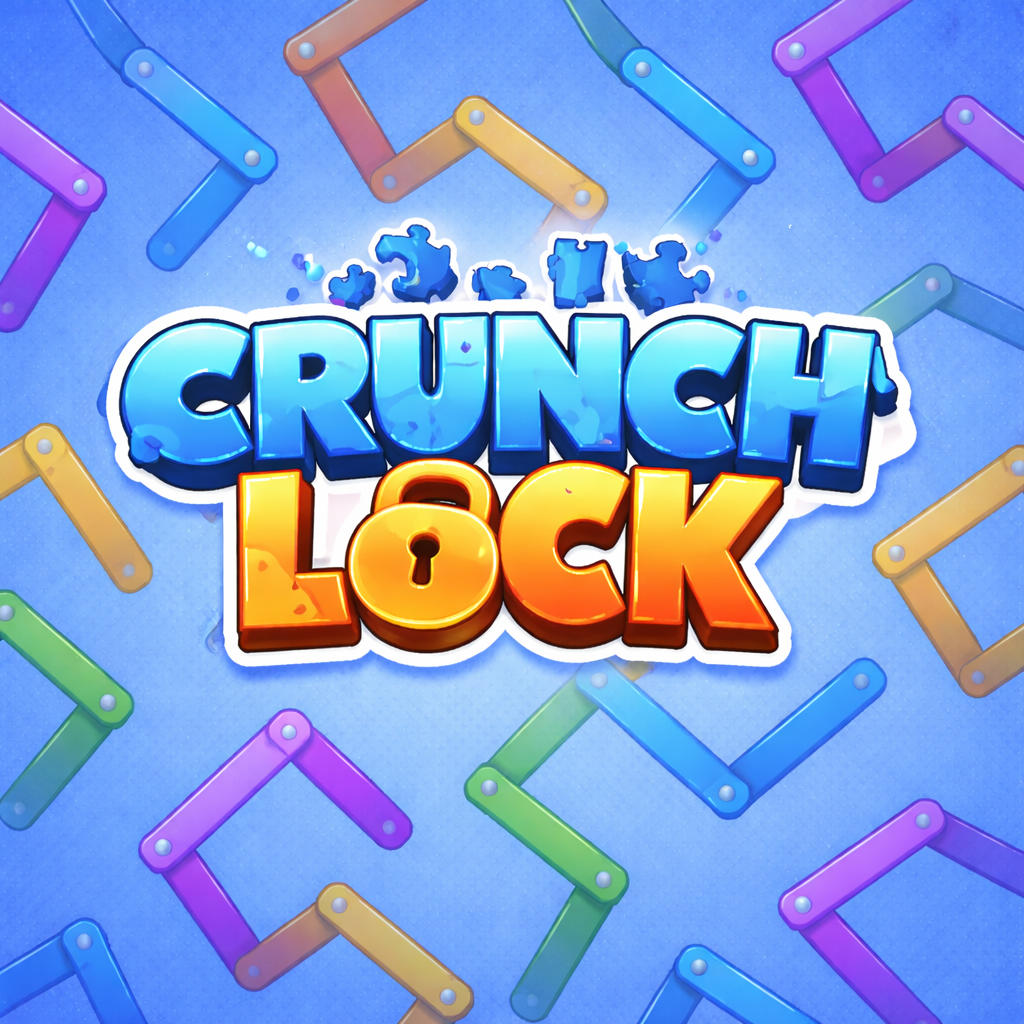
Crunch Lock—A Puzzle Strategy Experience
GAME OVERVIEW
Game Modes and Puzzle Structure
Crunch Lock features a series of progressively difficult timed puzzle levels. In each level, players must complete objectives before the countdown reaches zero. Puzzle types include pattern matching, shape alignment, and sequence-solving challenges. Some stages present intricate lock mechanisms requiring correct combinations. As progression continues, new twists increase overall complexity. Rotating locks, hidden elements, and layered challenges appear in later stages. A built in hint system provides subtle guidance during difficult moments. Certain versions include power ups offering temporary time control or solution assistance.
Control Guide
- Use the mouse to select and move puzzle pieces
- Click or drag elements to arrange patterns or mechanisms
- Select hint icons when available for guidance
- Activate power ups through on screen controls when accessible
Game strategies
To succeed consistently, players should observe each puzzle carefully before making moves. Early analysis reduces unnecessary mistakes during timed sessions. To manage pressure, players must balance speed with thoughtful planning. Simple pattern recognition often reveals quicker solutions. Beginners should complete obvious sections first to reduce complexity.
Advanced players focus on anticipating upcoming twists in layered challenges. To avoid wasted time, you can correct small errors immediately. Strategic use of hints prevents prolonged frustration during tough stages. Power ups should remain reserved for high difficulty levels. Consistent practice improves recognition speed and logical accuracy over time.
SIMILAR GAMES